
 1-844-397-8677
How Upgrading Your Concrete Pump Parts Can Improve Performance
Posted On: 04/29/2026 | Posted by: DY Concrete Pumps
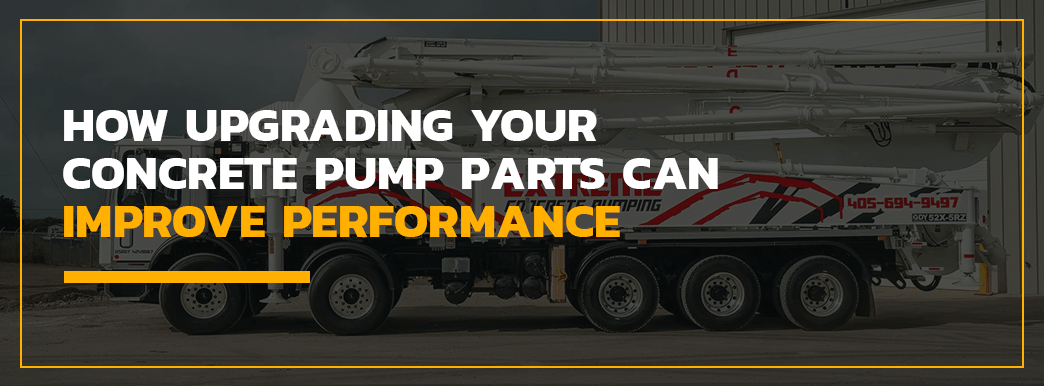
Seemingly minor performance changes such as slight pressure drops, faulty seals or worn elbows can slow or halt concrete pumping operations. Since most pumps don’t fail all at once, it can be hard to notice performance downturns until it’s too late.
Upgrading concrete pump parts is one of the most practical ways to reverse this trend. It helps restore flow, stabilize pressure and support steady jobsite productivity. Below, we explore how upgrading your concrete pump parts can improve performance and impact your entire operation.
3 Common Challenges With Standard Concrete Pump Parts
Standard components perform reliably when new, but the operating environment can be demanding. Abrasive mixes, high pressure and constant cycling gradually change how a system behaves.
1. Rapid Wear From Abrasive Mixes
Harsh aggregates and long pumping distances accelerate internal wear, often in ways that are not immediately visible. For example, you might see pipe thinning and high-pressure sections where friction is highest. If left unattended, this wear can degrade the component’s performance.
2. Pressure Loss and Inconsistent Output
Many crews notice an inconsistency before they see a broken part. Though these issues may resemble typical aging, they can dramatically affect productivity.
- Seal gaps: Worn plates and cutting rings can reduce pressure at the nozzle.
- Flow variation: Internal leakage contributes to surging, blockages and uneven delivery.
- Higher operating demand: Pumps often run harder to maintain the same output, increasing fuel use and system strain.
3. Downtime From Frequent Replacement Cycles
As wear accelerates, maintenance becomes more reactive. Frequent interventions can shorten rotation and replacement cycles and pull crews away from active work. Recurring replacements also make inventory management more complex for the team to track. After confronting these realities, many fleet managers begin viewing upgrades as part of operational planning.
Benefits of Working With Upgraded Concrete Pump Parts
High-performance pump components address the areas where standard parts struggle.
Extended Component Lifespan
One of the most immediate advantages of concrete pump upgrades is their extended service life under abrasive conditions. Wear-resistant pump parts and other materials can slow internal erosion and allow components to maintain structural integrity across longer pumping cycles.
For maintenance teams, this durability creates breathing room as rotation schedules become more predictable and crews spend less time managing wear during active jobs. Instead of constantly monitoring a part that’s nearing failure, teams can operate with more confidence in the system’s expected lifespan.
More Consistent Flow and Pressure

High-performance wear components maintain tighter tolerances for longer periods. Stable pressure allows pumps to work within their intended operating range, reducing strain on hydraulic systems and lowering energy demand. Over time, that stability contributes to more predictable job pacing and fewer mid-pour adjustments.
Improved Safety on Demanding Jobs
Upgraded components also support safer operation, particularly in high-pressure environments where material failure carries a high risk. Robust connections and wear surfaces designed for abrasion further reduce the likelihood of unexpected failures.
That added reliability changes how crews use equipment daily. Confidence in the system allows operators to focus on placement accuracy and coordination on extended pours, rather than constantly monitoring for potential issues.
How to Upgrade Parts and Improve Pump Efficiency
A structured approach ensures upgrades target genuine performance constraints instead of unnecessarily replacing parts.
1. Assess Your Current System for Wear and Pressure Loss
Upgrades deliver maximum value when they respond to real performance signals rather than assumptions. In many cases, early indicators of wear appear during routine inspections. Small leaks around the water box, subtle pressure fluctuations or changes in how the pump cycles can point to wear in core components.
Tracking usage data also provides essential context. For example, comparing the pumped amount against the expected component lifespan identifies sections of the system that experience concentrated abrasion. High-wear zones can manifest as shorter rotation intervals or recurring maintenance attention.
Take time to document these observations and create a picture of where upgrades will have the most significant impact. Instead of automatically replacing parts, teams can focus on restoring pressure stability, improving flow and protecting the areas that directly influence performance.
2. Select High-Performance Parts
Instead of replacing everything at once, prioritize components that influence pump efficiency. To choose the appropriate parts, you may need to meet with relevant departments to gather feedback. Reviewing service or maintenance records is also an intelligent way to choose a replacement that makes sense for your needs.
3. Install Upgrades to Restore Factory Performance
Careful installation enables new parts to deliver throughout their lifespan and returns the system to the pressure and flow levels crews expect from a well-performing pump.
The following practices help upgrades perform as intended.
- Alignment accuracy: Maintaining proper wear plate tolerances supports consistent sealing and reduces internal material bleed.
- Strategic rotation: Moving serviceable components into lower-wear positions allows new parts to protect the areas that most affect performance.
- System verification: Checking pressure and flow after installation confirms the pump operates close to its intended specifications.
Practical Maintenance Tips to Extend the Life of Your Upgrades
Upgrading concrete pump parts improves durability and performance, but those benefits depend on how well you maintain the system. Use these strategies to extend the life of your pumps.
- Rotate delivery pipes on a schedule: Move pipes between high-wear and lower-wear areas based on yardage pumped instead of waiting for visible damage.
- Track pumped volume: Maintain simple usage records to anticipate replacement timing and avoid reactive maintenance.
- Monitor seals for dry operation: Watch for noise, heat or irregular wear patterns that indicate lubrication gaps.
- Flush lines thoroughly after each shift: Remove residual concrete to prevent hardened buildup that increases abrasion during startup.
- Check system pressure after maintenance: Confirm the pump operates within expected ranges after part replacement or rotation.
A Practical Path to Stronger Pump Performance

Upgrading concrete pump parts is a cost-effective way to stabilize performance without replacing the entire machine. Wear-resistant pipes, advanced wear components and high-performance system parts restore flow, extend service intervals and enable safer operation in demanding conditions.
For teams focused on uptime and asset value, targeted upgrades pave the way to more consistent pumping and predictable maintenance. At DY Concrete Pumps, we understand the importance of advanced concrete solutions and produce high-quality and versatile concrete pumps for different models.
Request a quote today if you’re ready to improve pump efficiency and jobsite reliability.